guides
Bandsaw Capacity: Throat, Height and Metal Cut Ratings
Bandsaw capacity is not one measurement. A woodworking saw, a portable metal-cutting tool and a horizontal cutoff machine can each advertise an inch figure that describes different geometry. A useful comparison starts with the workpiece and its orientation, then finds the manufacturer measurement that actually limits that operation. This guide explains how to read the labels and organize a comparison without assuming that a larger headline number means a better fit.
As an Amazon Associate I earn from qualifying purchases. How affiliate links work.
Nominal size is a category label
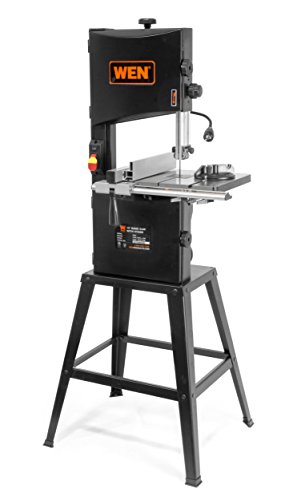
A machine described as eight, nine or ten inch is not automatically able to cut material that thick. The nominal label helps identify a machine class, but the specification table must tell you the usable clearances. For a woodworking bandsaw, look for separate throat and height values. SHOPMAX's SS0245, for example, is described as ten inch while its published level-table maximum cutting height is 4.5 inches. That example demonstrates the distinction; it is not a universal ratio that you can apply to another model.
Throat describes clearance beside the blade
The throat measurement concerns the space between the cutting area and the machine frame or column. It matters when part of a workpiece must pass through that space as the cut progresses. A narrow strip extending a long distance in front of the table presents a different clearance question from a broad shape that must turn beside the frame. Sketch the cut path and consider the workpiece at several points along it. One starting position does not necessarily establish clearance for the entire operation.
Height describes the opening above the table
The usable height above the table limits the stock that can pass beneath the upper assembly in the documented setup. Compare it with the stock in its actual cutting orientation, including any approved support or fixture. Do not use the overall machine height or wheel diameter in its place. Also distinguish a physical fit from a performance expectation: a stated opening does not guarantee fast or effortless cutting at the limit. Material, blade selection and the machine's documented application still govern the decision.
Tilted work needs a separate check
A tilted table changes the relationship between the work and the blade assembly. A manufacturer may therefore publish a lower capacity at a specified angle. Read that figure when it matches the intended operation instead of continuing to use the level-table maximum. If the manual does not answer your proposed arrangement, ask the manufacturer. Make a simple drawing showing the stock, angle and necessary support. A clear drawing often resolves a question that remains ambiguous when described only as a “four-inch piece.”
Metal stock capacity describes a shape and angle
For portable or cutoff metal saws, look for ratings associated with the workpiece cross section and cutting angle. Round stock and rectangular stock do not present the same envelope. A DeWalt DCS374B product heading gives a five-inch cutting-capacity description, but a buyer still needs the exact model documentation to understand how its opening applies to the intended shape. Never transfer a portable saw's headline number to a woodworking resawing claim. The opening, support and permitted operation all have to fit the actual job.
Speed and power do not replace geometry
Keep blade travel speed, motor rotation and electrical input in different fields. Feet per minute and revolutions per minute are not directly comparable units. A motor rating does not change whether a workpiece collides with the frame, and a generous opening does not establish material suitability. Once the project fits geometrically, investigate the permitted materials, blade requirements and operating setup. This order prevents an attractive motor figure from distracting you from a physical limitation that no accessory can simply wish away.
Make a workpiece-first comparison sheet
For each representative project, record material, cross section, cut path, angle and support needs. Beside it, record the manufacturer’s relevant capacity and the exact source. Mark anything unresolved rather than substituting a similar model's value. A candidate can then pass the fit check, require clarification or be removed from consideration. Only after this step should you compare convenience, cost and support. This keeps the shortlist grounded in actual work instead of turning unlike headline measurements into a misleading league table.
Questions about Bandsaw Capacity: Throat, Height and Metal Cut Ratings
Does a ten-inch bandsaw cut ten inches thick?
Not necessarily. Read the separate height and throat figures. Nominal size alone does not establish stock thickness capacity.
Can a square capacity figure be used for round stock?
Do not assume that. Use the manufacturer rating for the relevant shape and angle, or ask for clarification.
What if the workpiece barely fits?
Treat the maximum as a boundary and consider the complete operating setup. Confirm support, guard clearance and suitability in the machine documentation before proceeding.